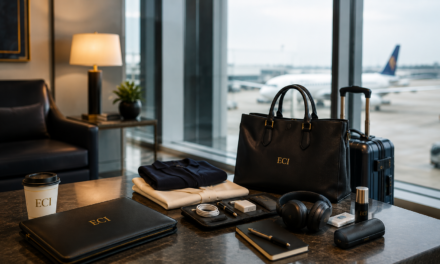

Clothing alone does not create executive presence.
However, what we wear can influence perception long before our experience, capability, or expertise have the opportunity to speak for themselves.
Many professionals build wardrobes reactively—purchasing inexpensive, trend-driven pieces because they feel like a good value in the moment. Yet over time, these choices often result in closets full of clothing that wears quickly, lacks versatility, and does little to support a polished, consistent presence.
The result is not savings.
It is inconsistency.
Dress With Intention, Not Urgency
Investment dressing is often misunderstood as spending more money on clothing.
In reality, it is about making more intentional decisions.
Choosing fewer pieces of higher quality—pieces that communicate professionalism, remain relevant over time, and support the environments you operate within—creates a wardrobe that works with you rather than against you.
Choose Pieces That Outlast Trends
There is a reason certain silhouettes remain appropriate year after year.
Well-constructed blazers, sheath dresses, tailored trousers, pencil skirts, quality shirting, and classic outerwear continue to appear across decades because they communicate something consistent:
Structure. Simplicity. Professionalism.
Timeless pieces rarely demand attention.
They support credibility quietly.
Quality Often Reveals Itself Before Labels Do
Fabric influences more than comfort.
It affects:
- drape
- fit
- longevity
- overall impression
Poorly constructed garments often lose shape quickly, wrinkle excessively, or appear worn after minimal use.
Higher quality fabrics and thoughtful construction contribute to a more refined appearance with less effort.
The difference is often subtle.
But subtle signals shape perception.
More Clothing Does Not Equal Greater Versatility
Many wardrobes contain excess while offering very few combinations that support professional environments.
A smaller collection of coordinated, high-quality pieces often provides greater flexibility than closets filled with impulse purchases.
Intentional wardrobes reduce decision fatigue and strengthen consistency.
Consistency influences how we are experienced and remembered.
The Goal Is Alignment
Investment dressing is not about luxury.
It is not about labels.
And it is not about keeping pace with trends.
It is about ensuring that what you wear aligns with the level at which you wish to operate and the environments in which you are expected to lead.
Because presence is communicated in layers.
And clothing—while never the whole story—remains one of them.